EU Defense Crisis: Why European MIC Bottlenecks Create New Challenges and Opportunities for Ukraine
Despite multi-billion budgets, Europe's defense sector faces production delays and capacity shortages, forcing Brussels to seek partnerships beyond the EU.
 💼Economy
Photo: Ukrainska Pravda
Key points
- European defense budgets are growing, but the MIC faces capacity constraints.
- Order backlogs at leading EU defense firms stretch from five to nine years.
- Arms transfers to Ukraine deplete European stockpiles due to a lack of rapid manufacturing capacity.
Modern Europe faces a serious test: despite a significant increase in security spending, the region's defense industry is failing to keep pace with current demands. While funding was previously considered the main barrier, experts now point to purely industrial constraints—a shortage of skilled labor, raw material deficits, and a lack of unified certification standards. Order books at leading European defense companies are filled years in advance, leading to critical delays in arms deliveries, particularly shortages of air defense systems and long-range artillery.
Lessons from the Ukrainian Experience for European Security
Leading military officials of the European Union and NATO openly admit that European armies depend on external suppliers for scarce missiles, while existing stockpiles are depleted due to military aid transfers to Ukraine. The situation where expensive Western interceptor missiles are used to shoot down cheap attack drones forces a reassessment of military strategies. EU generals emphasize the need to radically accelerate production processes and launch the manufacturing of domestic ground-based air defense systems, as wars are ultimately won by industrial capacity.
For the broader Ukrainian context, such trends in the European market are of strategic importance. The restructuring of the European defense sector is gradually shifting from closed national markets to cooperation with Ukrainian manufacturers who possess unique combat experience. This could significantly alter economic and industrial supply chains in the security sector, creating new conditions for Ukrainian business and the defense-industrial complex in the coming years.
Source Ukrainska Pravda — pravda.com.ua/columns/2026/11/18/8063428/ ↗
Read next
 🛡️Security
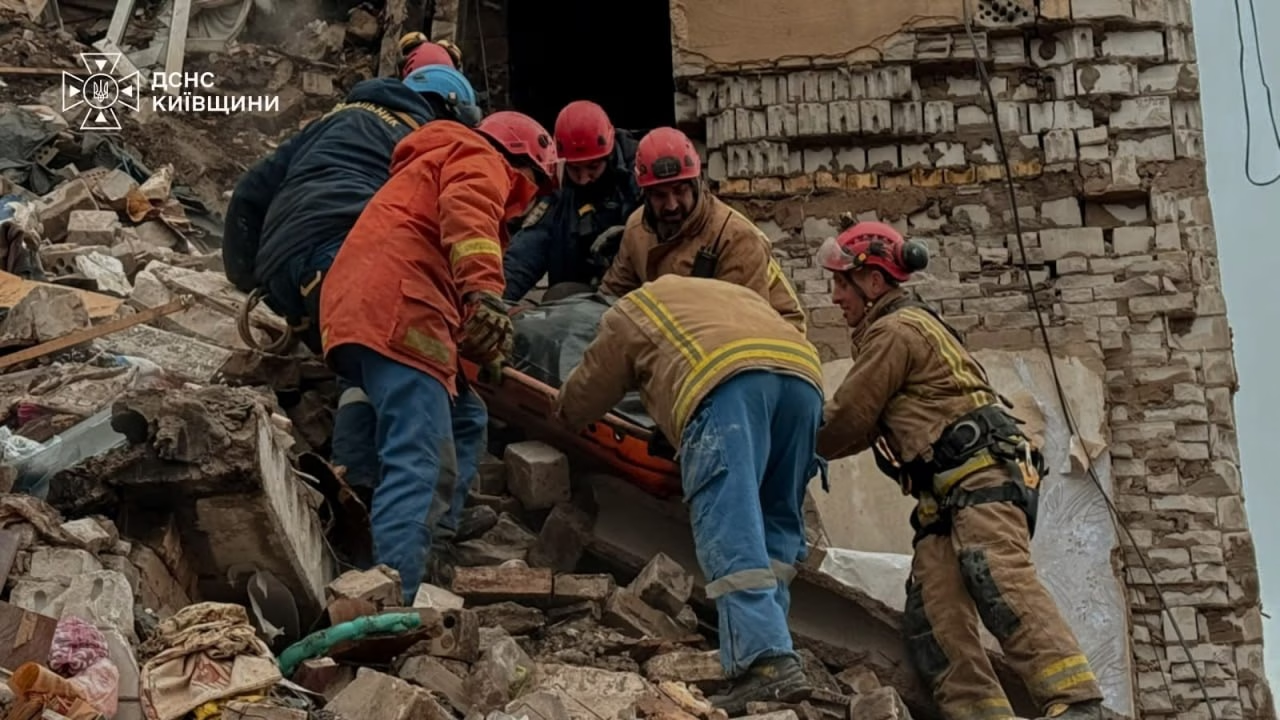
Child rescued from rubble of destroyed five-story building in Dymyr, Kyiv region
Rescue workers pulled a live child from under the rubble of a residential building in Dymyr, Kyiv region, following a hostile strike.
Calendar dates and scientific milestones: What is marked on November 24
November 24 brings together church commemorations under the new calendar, literary anniversaries, and major milestones in world science.
 ⚽Sport
Dramatic overtimes and champion victories: how the latest Basketball Superleague matches ended
Four concluding matches of the regular Basketball Superleague championship took place, featuring intense battles, great comebacks, and tight finishes.
 🛡️Security
Body of third victim recovered from rubble of residential building in Dymer, Kyiv region
Rescue workers have pulled the body of a third victim from beneath the rubble of a destroyed residential building in Dymer. The search and rescue operation continues amid…
 🛡️Security
Russian occupiers extend detention of former teacher from Kherson region Anna Pyrozhenko for six months
The unlawful detention of the former educator from the Kherson region continues as occupation authorities extend her arrest for another six months.
 🛡️Security
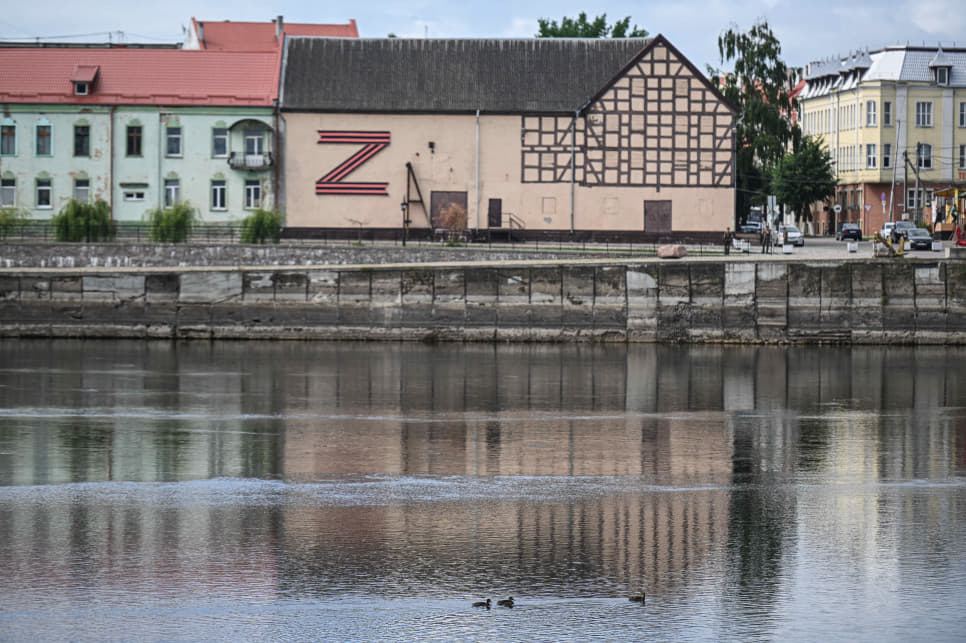
Poland reports Russian disinformation campaign over alleged attack in Kaliningrad region
Polish and Lithuanian officials have highlighted a surge in Kremlin-backed fake news regarding alleged neighboring state involvement in strikes on Russian targets.