Strengthening cooperation between Russia, China, Iran, and North Korea: The Economist analysis
The Economist highlights the growing coordination between authoritarian regimes, posing new challenges to global security.
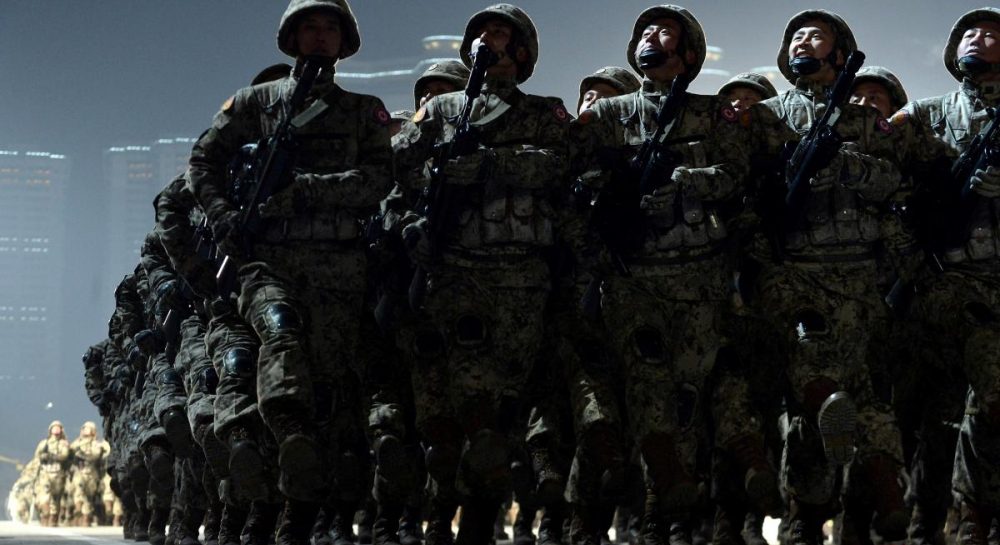 🏛️Politics
Photo: UNIAN
Key points
- Over 600 cases of security cooperation since 2019.
- The alliance lacks unified command but coordinates sanctions evasion.
- The West currently lacks an effective strategy to counter this informal coalition.
A new geopolitical reality
International experts are observing the formation of increasingly close interaction between Russia, China, Iran, and North Korea. According to the FDD think tank, more than 600 instances of security cooperation between these nations have been recorded between 2019 and 2025. This process, which analysts compare to an unofficial "axis," has significantly intensified since the start of Russia's full-scale invasion of Ukraine.
Interaction format and limitations
Unlike military blocs like NATO, this alliance lacks a unified command or formal legal obligations for mutual defense. The countries exchange military technology, intelligence, and experience, while also developing mechanisms to bypass international sanctions. However, experts note that the interests of the participants do not always align: for instance, China seeks stability for economic growth, whereas Russia often acts to destabilize the situation.
Despite the absence of a formal alliance, mutual support makes these regimes significantly more effective in challenging Western democracies. Currently, the global community is still searching for effective strategies to contain this informal coalition, which continues to shift the balance of power on the international stage.
Source UNIAN — unian.ua/world/rosiya-knr-iran-ta-pivnichna-koreya-stvorili-neforma… ↗
Read next
 🛡️Security
Major fire breaks out at oil refinery in Novoshakhtinsk, Rostov Region
A massive fire has been reported at a fuel facility in the Russian city of Novoshakhtinsk following a series of overnight explosions.
 🛡️Security
Tragedy in Dymer: Death toll rises to nine following attack
Rescue operations are underway in Dymer, Kyiv region, after a strike. Rescuers have recovered the body of another victim, while a 79-year-old woman was pulled alive from …
 🏙️City
Autumn Rose Care: Tips for Volodymyr Residents on Preparing Gardens for Winter
Gardeners advise against rushing into radical rose pruning before the first hard frosts to avoid stimulating new, vulnerable growth.
 🚨Events
Mass shooting during concert in California leaves several injured
Unknown assailants opened fire on concert-goers in the town of Strathmore, resulting in at least nine injuries.
 🇺🇦Ukraine
Estonia's Reaction to the Gulf of Finland Incident: Ukraine's Right to Self-Defense
Estonian Foreign Minister Margus Tsahkna stated that the strike on the Russian vessel is a consequence of Russian aggression, affirming Ukraine's right to defend itself.
 🛡️Security
Rescue operation in Dymer: 89-year-old woman pulled from rubble
Rescue efforts continue in Dymer, Kyiv region, following a drone strike on a residential building. The death toll has risen to nine.