Military Justice in Ukraine: Why Human Rights Advocates Warn Against Reestablishing Military Courts
The debate on restoring the military justice system continues in Ukraine. The «Pryncyp» human rights center explains why creating military courts could threaten judicial independence.
 ⚽Sport
Photo: Ukrainska Pravda
Key points
- The debate on military justice has intensified in the Verkhovna Rada.
- Human rights advocates warn against risks of command influence on courts.
- Civilian courts have gained substantial experience handling military cases during the war.
- Specialization of current judges is proposed instead of creating a separate system.
The issue of restoring specialized military courts, prosecutors, and investigators has returned to the forefront of public and parliamentary attention amid the ongoing full-scale war. A temporary special commission of the Verkhovna Rada is already reviewing these initiatives, yet the expert community expresses serious concerns. Specifically, the «Pryncyp» human rights center for military personnel has analyzed the arguments of military justice proponents and concluded that there are high risks to the independence of the judiciary.
Risks of Command Influence and Judicial Independence
The main argument of those supporting military courts is that cases involving service members should be tried by individuals with military experience who understand the army context. However, critics point out that military service is based on strict subordination and single command. If judges receive military ranks, it creates the risk of direct interference by the Ministry of Defence or the General Staff in their work, as disciplinary statutes would apply to them.
«For a service member whose case is being reviewed, all of this means the risk that the decision will be influenced by the command vertical rather than just the law and the circumstances of the case,» experts note.
Human rights advocates emphasize that over the years of the full-scale war, the civilian judicial system has already built significant expertise in handling such cases. Furthermore, a military status does not automatically guarantee deep knowledge of the laws, and combat experience does not necessarily ensure objectivity. Instead, «Pryncyp» suggests focusing on the specialization of existing civilian judges in military-related offenses, which would improve decision quality without destroying the core principles of judicial independence.
Source Ukrainska Pravda — pravda.com.ua/news/2026/11/20/8063800/ ↗
Read next
 💼Economy
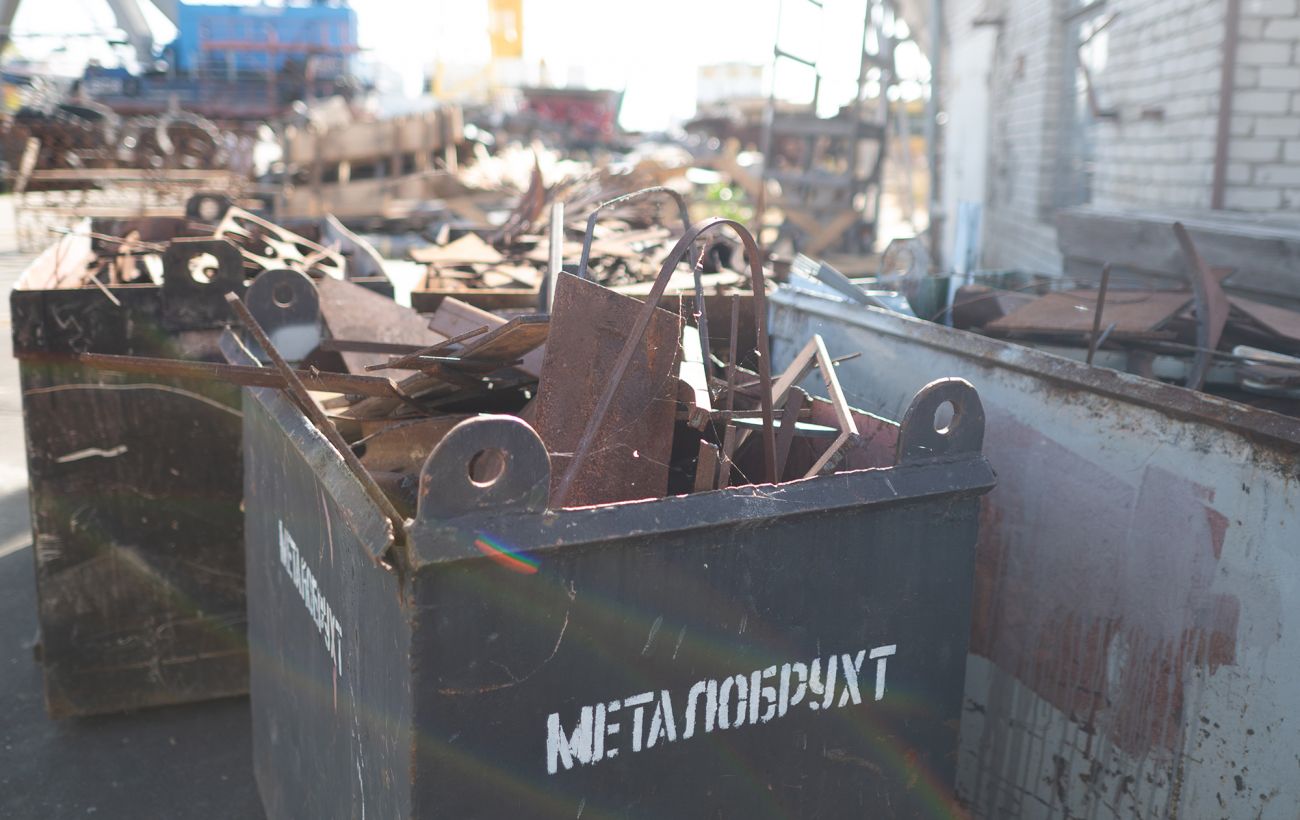
Low scrap metal export prices threaten Ukrainian metallurgy and budget, MP says
The Ministry of Economy's proposal to set the starting price for Ukrainian scrap metal exports at 27 euros per ton has sparked concerns over risks to industry and state f…
 🧠AI Analysis
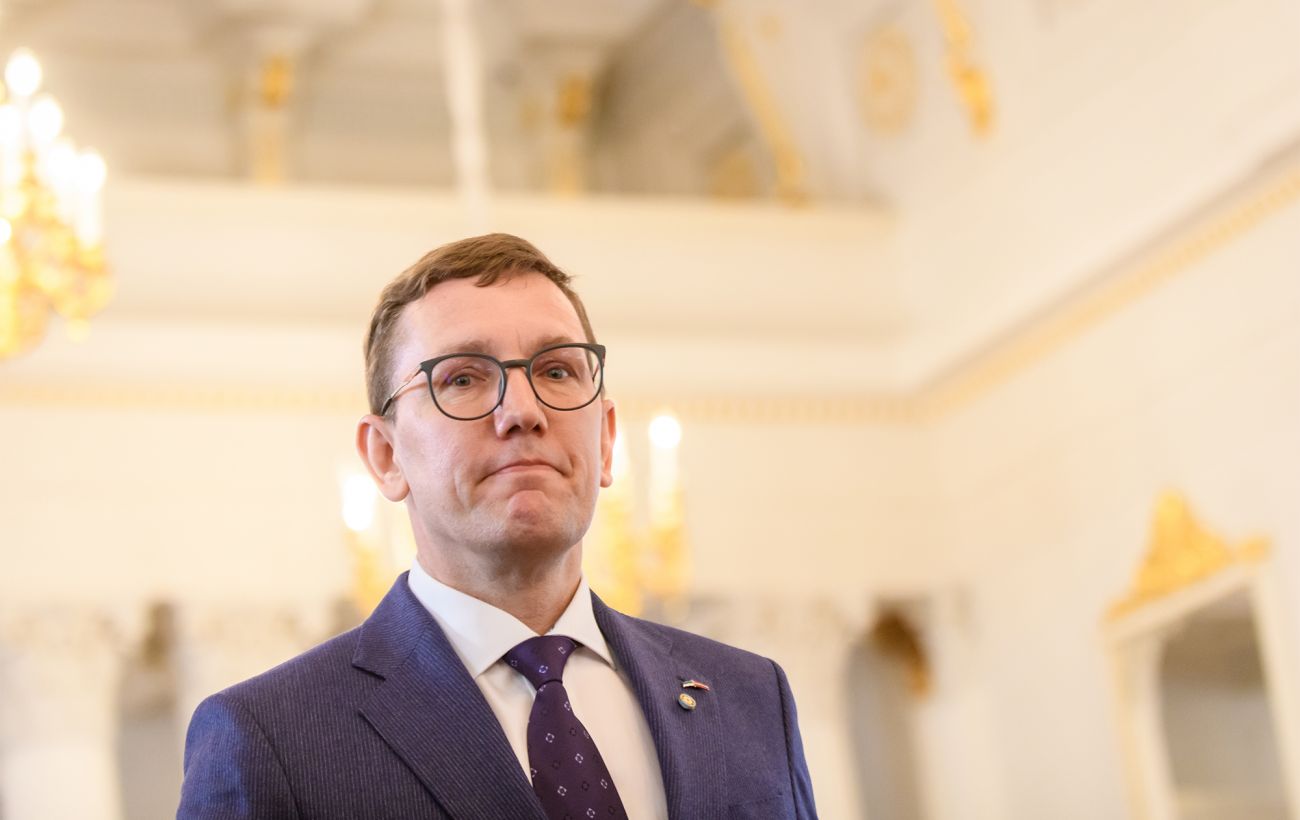
Estonian Prime Minister comments on rumors regarding Donald Trump's stance on aid to Ukraine
Estonian Prime Minister Kristen Michal has refuted claims that US leader Donald Trump urged Europe to halt assistance to Ukraine.
 🏛️Politics
Verkhovna Rada Votes to Forcefully Bring Former Minister Mykhailo Fedorov to Temporary Inquiry Commission
The parliament's temporary inquiry commission decided to involve the National Police to forcibly bring former Defense Minister Mykhailo Fedorov to a meeting after he repe…
 🎭Culture & Sport
Singer Oleh Vynnyk Talks About His Earnings in Germany and Life Abroad
Ukrainian singer Oleh Vynnyk, who moved to Germany after the start of the full-scale war, has shared details about his financial situation and living abroad.
 🛡️Security
Occupation Court Sentences Nova Kakhovka Resident to 13 Years Over Alleged Treason
A 36-year-old resident of Nova Kakhovka has been sentenced by occupation authorities to 13 years in prison on fabricated treason charges.
 🏛️Politics
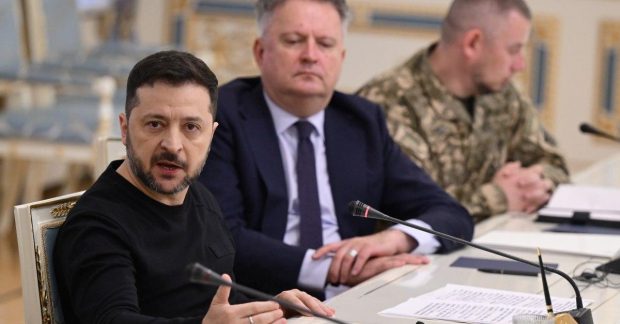
Zelenskyy Urges Allies to Consider NATO Membership Instead of Security Guarantees
Speaking at the NATO Parliamentary Assembly in Berlin, the Ukrainian president stressed that full alliance membership is a more effective and reliable safeguard than alte…