Polish Intelligence Thwarts Russian False Flag Operation on Border: Implications for Regional Security
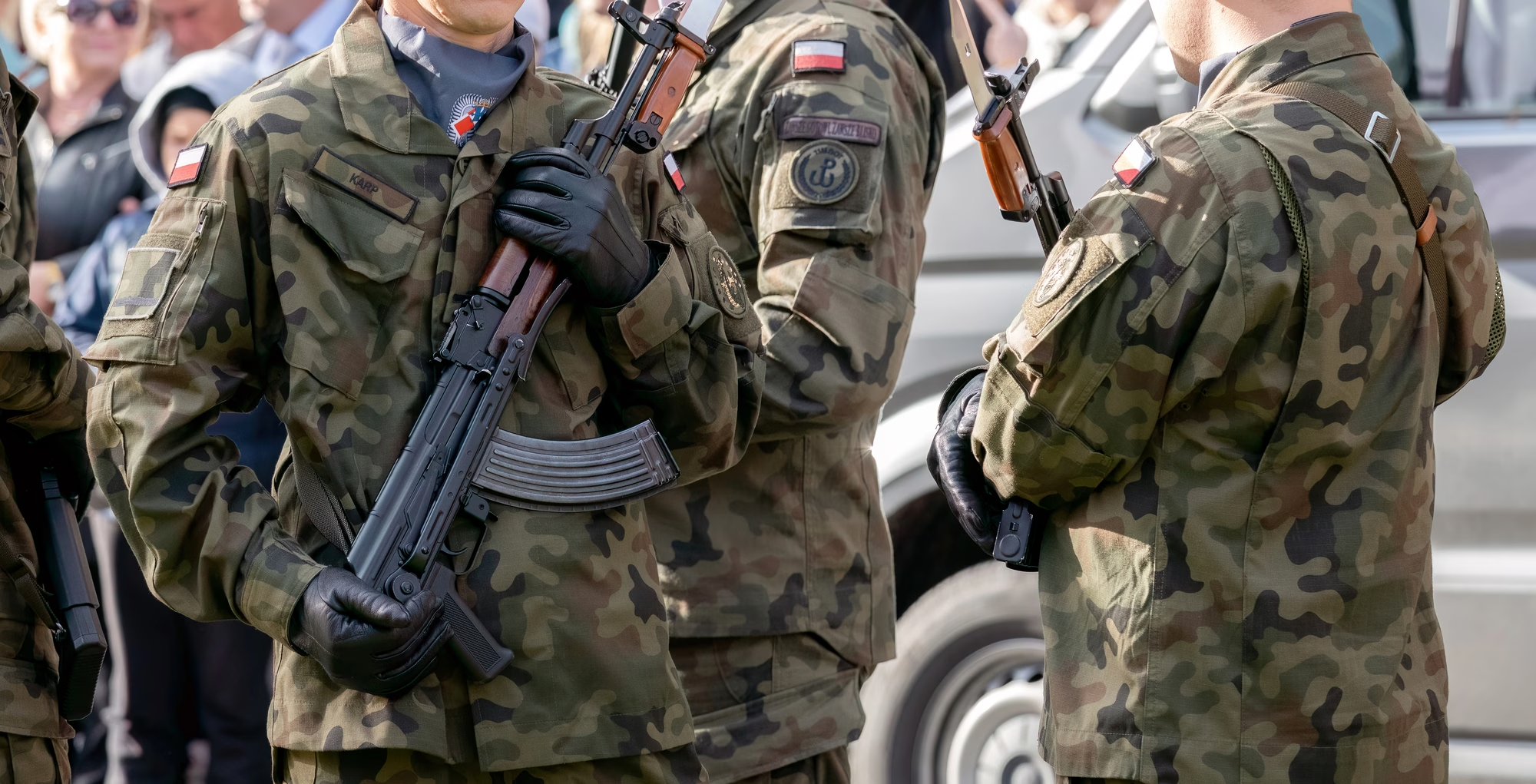
A planned Russian provocation on the Polish border, aimed at mimicking the 1939 Gleiwitz incident to halt military aid to Ukraine, has been successfully prevented.
 🇺🇦Ukraine
Photo: Головне в Україні
Key points
- Russia planned a lethal 'false flag' attack on Polish territory.
- The operation aimed to blame Ukraine and halt international military aid.
- Poland increased border security with specialized armed units following the intelligence report.
In late October and early November, Polish intelligence services, supported by allied agencies, intercepted and neutralized a major Russian provocation planned for the border area. According to an investigation by Rzeczpospolita, the Kremlin was preparing a "false flag" operation designed to mirror the infamous 1939 Gleiwitz incident. The primary objective was to discredit Ukraine and force a cessation of Western military assistance.
The False Flag Scenario
The Russian plan involved an attack on a facility within Polish territory near the border with the Krolewiec (Kaliningrad) region. The scenario anticipated significant casualties and a simulated border crossing by saboteurs. It was intended that evidence found at the scene would point toward Ukrainian citizens or individuals arriving from Ukraine. Sources suggest that the perpetrators were likely to be killed during the incident to prevent them from testifying.
"It was supposed to somewhat resemble the Gleiwitz provocation. The goal was to stop aid to Ukraine," a source told Polish journalists.
Security Response and Historical Context
Prime Minister Donald Tusk confirmed suspicious activity on the border in early November, noting that border guards observed groups with flashlights on the Russian side. In response, Poland mobilized additional security forces, deploying police units armed with long-barreled weapons to the border regions. Special Services Coordinator Tomasz Siemoniak confirmed the threat was real, noting that Lithuania, Latvia, and Estonia received similar warnings.
The reference to the Gleiwitz provocation of August 31, 1939, is significant. At that time, Nazi Germany staged an attack by "Poles" on a German radio station to justify the invasion of Poland. This modern attempt by Russia demonstrates a strategy to destabilize NATO's eastern flank and drive a wedge between Warsaw and Kyiv.
Source Головне в Україні — glavnoe.in.ua/news/rosiya-hotuvala-kryvavu-provokacziyu-na-kordoni-z-po… ↗
Read next
 🏛️Politics
Ruta Block 1: European Technology in Ukraine's Strategic Operations
Ukraine has successfully deployed Dutch-made Ruta Block 1 cruise missiles against the Crimean Bridge, marking a significant milestone in cooperation with European defense…
 🛡️Security
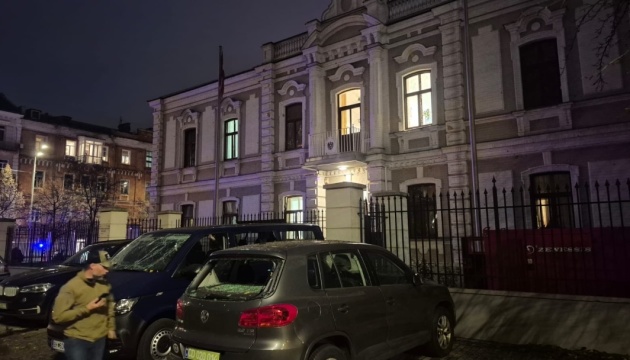
Russian attack damages Austrian Embassy in Kyiv
During a recent Russian strike on the capital, the Austrian diplomatic mission and historical landmarks were damaged.
 🏙️City
UK and Norway to fund construction of combat boats for Ukraine
The governments of the UK and Norway will allocate over 100 million pounds to build new combat boats for the Ukrainian Navy.
 🎭Culture & Sport
The Nightingale starring the Fanning sisters to hit Ukrainian theaters in 2027
Sony Pictures has released the trailer for the historical drama about WWII, featuring sisters Dakota and Elle Fanning in the lead roles.
 🎭Culture & Sport
The Philosophy of Responsibility: Why You Should Revisit Saint-Exupéry's 'Wind, Sand and Stars'
On International Philosophy Day, we reflect on the key ideas of Antoine de Saint-Exupéry's iconic work, exploring human nature and the meaning of existence.
 🏙️City
Energy independence in winter: can you rely on solar panels in Volodymyr
Experts explain how the efficiency of solar power plants changes during winter and whether they can meet household needs during the cold season.